On this page
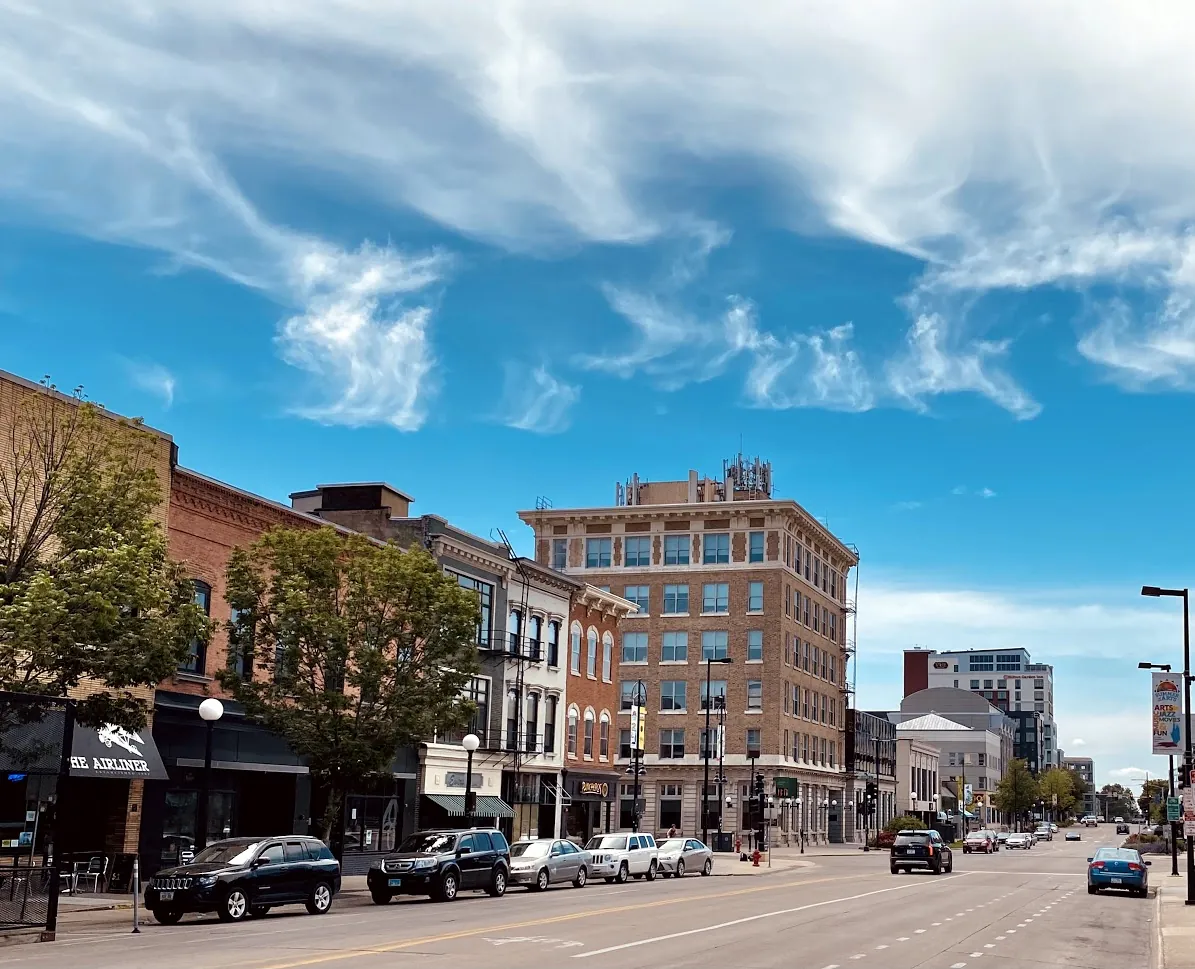
Whether you are a long-time Iowa City resident, a student moving near campus, or a parent trying to sort out whose policy should cover the family car, understanding how car insurance works in this college town takes more than a quick search. This guide walks through Iowa law, university household scenarios, local parking complications, and practical coverage decisions that matter for Iowa City drivers.

Key Takeaways
-
Iowa City drivers and university households can compare car insurance options from multiple companies through IowaCarInsurance.com (Drivers Insurance Agency, Inc.) by calling (844) 425-1313 or using the quote page.
-
Iowa is an at-fault state, not a no fault state, and the state minimum liability limits are 20/40/15. Read the full statewide minimum guide for details.
-
Students, parents, and roommates face specific decisions about whose policy should cover a car kept near campus, who counts as a regular driver, and how garaging location affects rates.
-
Iowa City’s snow emergency parking rules can lead to tickets, towing, and vehicle damage that connect directly to your insurance coverage choices.
-
Coverage eligibility and final policy terms always control. A quote does not bind coverage until the company approves and issues a policy with all required payments and signatures complete.
How Car Insurance Works in Iowa City, Iowa
Iowa is an at-fault state for car insurance. That means the driver found legally responsible for an accident is generally liable for the other party’s injuries and damages, and it can be easy for a brief distraction to cause a crash. Iowa is not a no fault state where each driver’s own insurer automatically pays regardless of who caused the collision.
Most Iowa City drivers meet their financial responsibility obligation by purchasing a car insurance policy that meets or exceeds state minimums, rather than posting a bond or other alternative. Insurance in Iowa varies by driver and insurer based on factors such as driving history, age, vehicle type, and coverage selections.
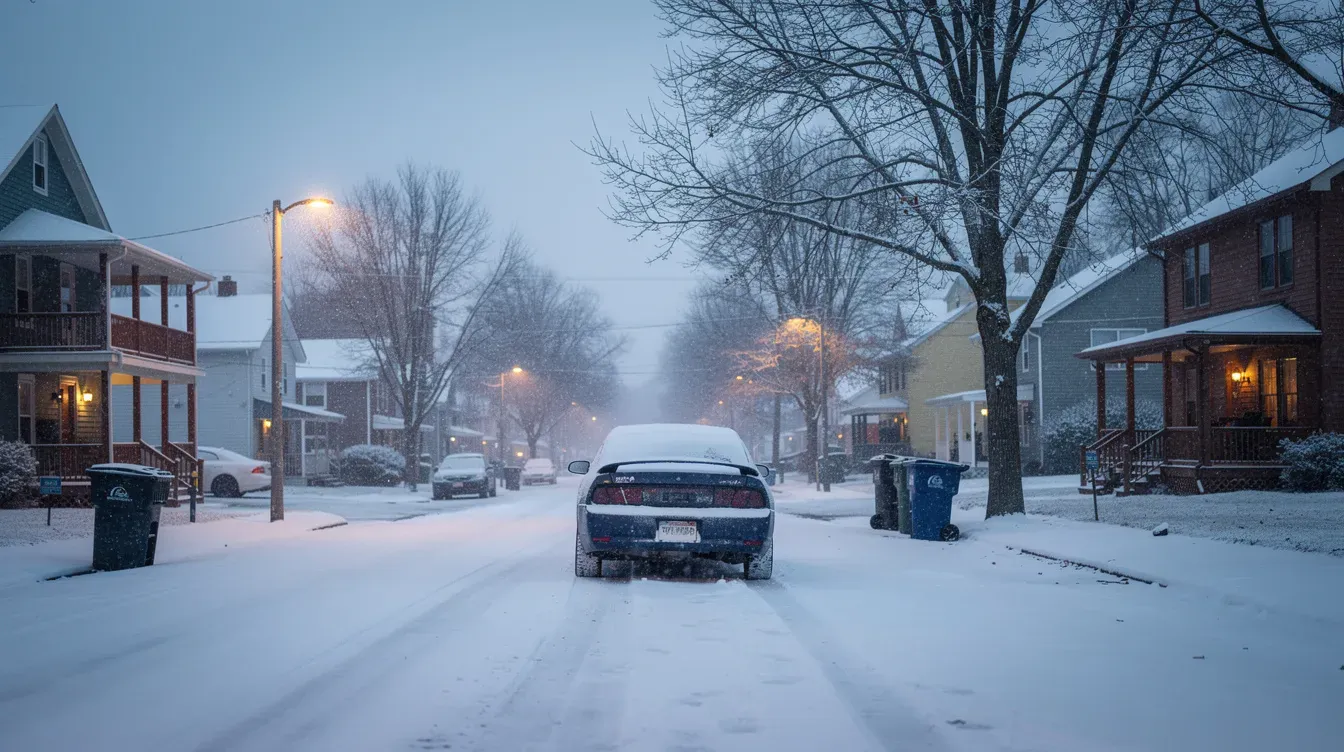
Iowa City and Coralville are separate municipalities with their own parking rules. Tell the insurer where the car is actually kept overnight. Do not assume adjacent cities share identical rating territories or premiums.
Required and Optional Car Insurance Coverage in Iowa
Iowa’s minimum liability insurance is 20/40/15: at least $20,000 bodily injury per person, $40,000 per accident, and $15,000 property damage per accident, as defined in Iowa Code § 321A.21. Insurance is the usual way drivers satisfy financial-responsibility requirements; qualifying alternatives are recognized by law.
These legal minimums may not be the best coverage for many Iowa City drivers. If you have income, savings, a financed vehicle, or passengers who depend on you, higher limits provide stronger protection when medical bills and funeral expenses from a serious accident exceed the minimum.
Iowa drivers can choose optional physical damage coverage and other add-ons. Common options include:
|
Coverage |
What It Does |
|---|---|
|
Higher liability limits |
Pays more toward injuries and damages you cause |
|
Medical payments |
Helps with accident-related medical expenses for you and your passengers |
|
Collision |
Pays for damage from accidents with other vehicles or an object |
|
Comprehensive |
Pays for damage from non-collision events like hail, theft, vandalism, or falling ice |
|
Uninsured motorist (UM) |
Protects against drivers without insurance |
|
Underinsured motorist (UIM) |
Covers gaps when the at-fault driver’s limits are too low |
|
Rental reimbursement |
Pays for a temporary vehicle after a covered accident |
|
Towing / roadside assistance |
Helps with tow bills and emergency service |
Under Iowa Code §516A.1, UM/UIM bodily-injury coverage must be included unless the named insured signs a written rejection. Keep any rejection with your policy records and understand the protection being declined. Compare deductibles and available discounts separately; neither changes this coverage rule.
Each company decides which optional coverages to offer and how those choices affect premiums in Iowa City, so comparing quotes from multiple insurers is a great way to find the best rate.
Iowa City University Households and Student Drivers
University households can involve a parent-owned car, a student living near campus and roommates who share transportation. Those facts make ownership, overnight garaging and regular access central to a useful quote.
Common situations include:
-
A student brings a family-owned car from another Iowa town to live near campus.
-
A student leaves a car at a family home but lives in Iowa City most of the year.
-
A student borrows a roommate’s car instead of owning one.
Insurers care about where the car is primarily garaged overnight. In a university context, that usually means the Iowa City address where the vehicle is actually parked most of the time, not just a permanent home address. Companies may allow a full-time student who keeps a family-owned car at the parents’ home to remain on a parents’ policy, but not all students can or should stay on that policy when they bring the car to Iowa City for regular use.
Some insurers offer a student-away discount when a listed student attends school without regular access to a family vehicle, or a good-student discount with documented academic eligibility. Distance, grades and other rules vary by insurer; these are not state benefits or guaranteed savings.
IowaCarInsurance.com can help university households compare options and understand how a move to Iowa City changes garaging, driver listing, and available discounts. Final eligibility is always set by each insurer’s underwriting guidelines.
Who Should Insure a Car Kept Near Campus?
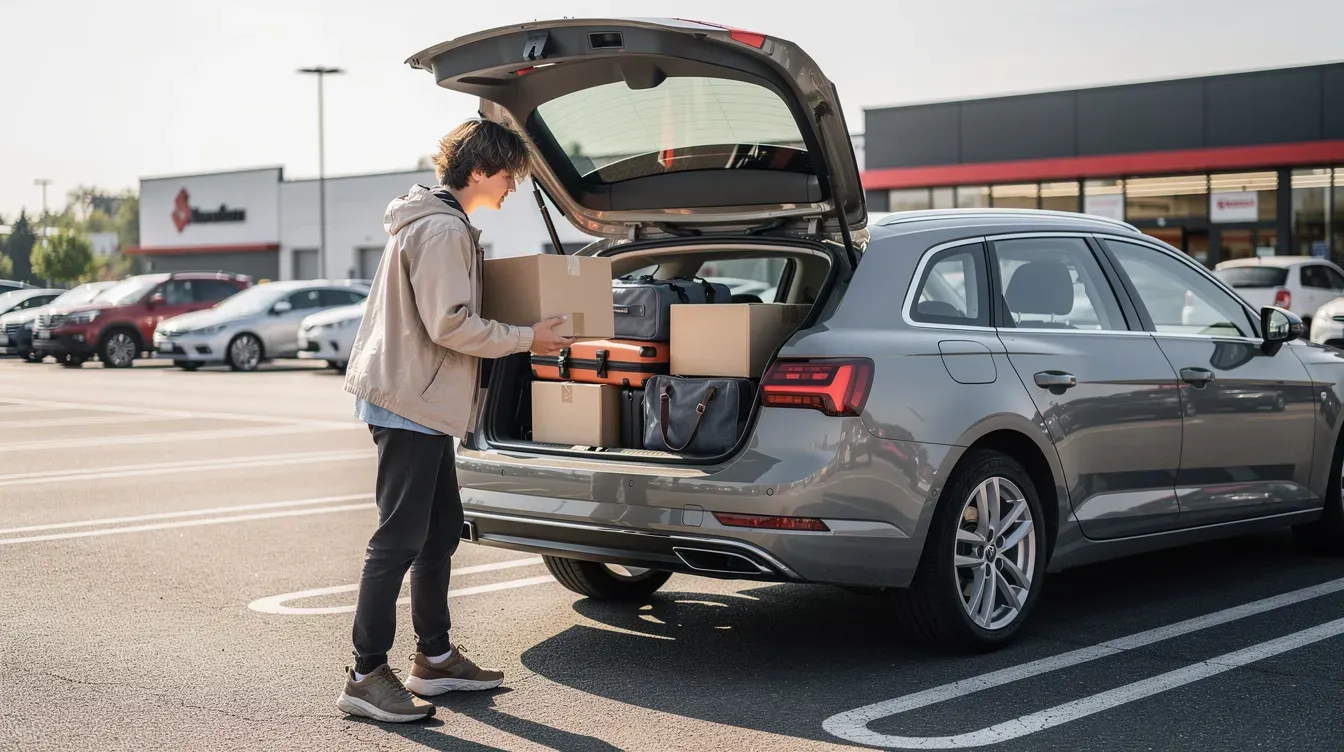
When a vehicle lives near the Iowa City campus area most of the year, someone’s policy needs to cover it correctly. In general, the titled owner of the vehicle should be listed as an insured on the primary policy. Mismatches between ownership and policy can cause claim disputes or delays.
When a parent owns a car but a student keeps it near campus for school, the insurer usually needs to know this, list the student as a driver, and rate the car for its actual garaging location rather than the family home if the student is the primary user. Car insurance rates can vary significantly based on driving history and age, so adding a young driver often changes the premium.
A roommate or friend who regularly uses a car they do not own should normally be disclosed to the insurer as a driver. Insurers look at regular use or household resident rules when deciding who must be listed. Some companies require all licensed drivers living in the same Iowa City household to be listed or formally excluded on the policy. Not disclosing these drivers can lead to delays or disputes after a claim.
Ask the insurer how it defines a household member, primary driver and regular use. A driver-listing decision should reflect actual access to the car, not an assumption based only on whose name is on its title.
Roommates, Borrowed Cars, and Non-Owner Insurance
An occasional authorized borrower may be covered under the owner’s permissive-use provisions, but there is no universal number of trips that makes use “occasional.” Disclose roommates, household drivers and recurring access; the insurer’s rules and policy exclusions control.
Non-owner car insurance can provide liability coverage for individuals who do not own a car but sometimes rent or borrow vehicles. However, non-owner policies usually exclude vehicles the insured has regular access to, such as a roommate’s car used every week. If you begin driving one specific car on a recurring basis, you may no longer qualify for non-owner coverage.
Failing to list a roommate who regularly uses a car can lead to coverage questions after a serious accident. Discuss true usage patterns with an insurance agent before something happens, not after.
IowaCarInsurance.com can help Iowa City renters, grad students, and other multi-roommate households decide whether one shared policy, separate policies, or a non-owner option best fits their situation, subject to company underwriting rules.
Example: Family Car in Iowa City vs. Weekly Roommate Borrowing
The following are clearly hypothetical examples, not legal or coverage advice.
Hypothetical 1 – Alex brings a family car to Iowa City. Alex moves from a smaller Iowa town to an off-campus apartment for nine months. The car is titled in a parent’s name. Alex is the primary driver, parking overnight near the apartment. The parents’ insurer would likely need to update the garaging address to Iowa City, list Alex as the main driver on that vehicle, and adjust the premium accordingly. If the family doesn’t disclose this, a claim paid at the old garaging address could raise coverage questions.
Hypothetical 2 – Jordan borrows a roommate’s car every Friday. Jordan does not own a car but uses a roommate’s vehicle weekly to run errands and visit friends. That pattern of regular access may require the roommate’s insurer to list Jordan as a driver rather than relying solely on permissive use. A non-owner policy might apply to Jordan only if Jordan does not have regular, ongoing access to one specific car but still needs liability coverage when renting or occasionally borrowing different vehicles.
In both situations, an Iowa-licensed agent would ask follow-up questions about ownership, frequency of use, and where each car sleeps at night in Iowa City before suggesting insurance solutions.
Iowa City Parking, Snow Emergencies, and Insurance Considerations
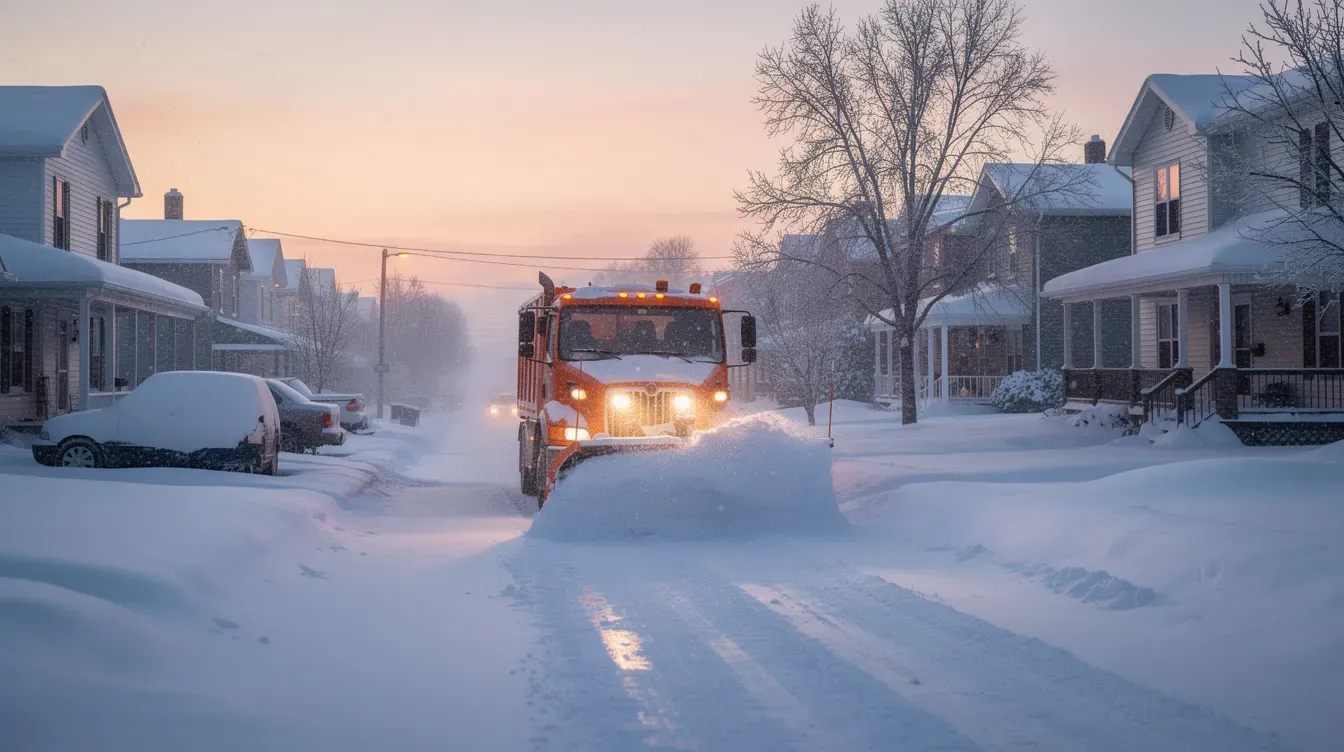
For winter parking, consult Iowa City’s snow-emergency ordinance, current declarations and posted signs. Do not rely on an old timetable or assume every campus-area street follows the same rule.
Snow-emergency restrictions can involve alternate-side parking and exceptions for particular locations. Confirm the rule for the exact block and time before leaving a car. Tickets or city enforcement towing are separate from an insured vehicle-damage claim.
Campus parking rules set by the university are separate from city rules. Students must check both when leaving a car near campus for winter break or overnight during storms. Local driving hazards like severe weather can influence insurance choices directly.
Falling ice generally falls under comprehensive coverage, while direct impact by a snowplow generally involves collision coverage or a claim against the responsible party. Coverage depends on the facts and policy. A roadside benefit does not automatically pay an enforcement tow. Before leaving for break, confirm where the car can remain and who has permission and insurance eligibility to move it.
Rental Reimbursement, Transportation Backup, and Life Without a Car
If your only car is in the shop after a covered claim, getting to work, class, or a clinical rotation can become urgent. Rental coverage pays for a temporary vehicle after an accident, up to a daily and per-claim limit defined in the policy.
Some insurers may allow rental reimbursement to be used for rideshare or other transportation, but this depends on the company’s rules and policy wording. Many Iowa City residents rely on walking, biking, or transit near campus, yet still may need a backup transportation plan for jobs off campus or family errands.
Consider how quickly you would need a temporary vehicle, who else in the household must get to work or class, and whether the extra cost of rental reimbursement is an affordable way to protect your daily life in Iowa City.
How IowaCarInsurance.com Helps Iowa City Drivers Compare Coverage
IowaCarInsurance.com is the Iowa-focused website of Drivers Insurance Agency, Inc., an independent insurance agency providing service to Iowa City and communities across the state by phone and online.
As an independent agency, IowaCarInsurance.com can help drivers compare available auto insurance options from multiple companies rather than only one carrier. Key insurance solutions include:
-
Liability-only policies that satisfy Iowa minimums
-
Policies with comprehensive and collision coverage for financed or newer vehicles
-
Iowa SR-22 filings when required
-
Non-owner policies when appropriate
The agency can assist good drivers as well as drivers with tickets, accidents, or coverage gaps in finding available options. It is advisable to ask about localized discounts from insurers, since savings opportunities vary by provider. Maintaining continuous insurance coverage is important to avoid higher rates when you switch or renew.
An online or phone quote is an estimate based on information provided and does not bind coverage. Actual coverage, price, and eligibility are determined only when the company issues a policy and all required payments and signatures are complete.
Iowa City drivers, students, and families: call (844) 425-1313 or request a quote to review your current policy and explore updated coverage options. It takes just a few minutes to start, and the peace of mind is worth it.
Frequently Asked Questions: Iowa City Car Insurance
These FAQs address common Iowa City and university-related questions not fully covered above.
Can I keep my Iowa City student on my policy if they live off campus most of the year?
Many parents can keep a full-time student on a family policy, but insurers often require the student to be listed as a driver and the car to be rated at its true Iowa City garaging address if the student is the primary user. Not all students or households qualify the same way. Each carrier’s rules and the actual living situation control, so find out from your insurer before assuming coverage is in place.
Do I need Iowa car insurance if my car stays at my parents’ home outside Iowa City?
A car garaged at a parents’ home in another Iowa town usually needs to be insured for that location, even if you spend most of the year in Iowa City without the vehicle. If you occasionally drive the car when visiting home on breaks, you are typically listed as a driver on that policy. Exact treatment depends on company guidelines. A student-away discount may apply if the carrier offers one and you meet its requirements.
What happens if my roommate crashes my car in Iowa City?
In many situations, the vehicle owner’s liability and physical damage coverage respond first to a covered accident when a roommate has permission to drive. However, undisclosed regular drivers, excluded drivers, or other policy restrictions can change how coverage applies. Disclose regular drivers and usage patterns to the insurer before a loss, not after.
Is an SR-22 a separate insurance policy in Iowa?
An SR-22 in Iowa is a filing the insurance company makes with the state to prove you are financially responsible after certain violations. It is not a separate policy. You must maintain an active qualifying policy, and specific SR-22 requirements come from the individual’s notice and reinstatement conditions from the Iowa DOT. Read the Iowa Insurance Division’s consumer page for more background.
How does Iowa’s teen licensing process affect car insurance?
Tell your insurer when a household teen gets a permit, becomes licensed or begins using a vehicle regularly. Driver-disclosure requirements vary by company and should be confirmed before the teen drives. Consult Iowa DOT for current licensing stages, supervision and restrictions; a valid license or permit does not itself establish insurance coverage.
Related Iowa city guides
For related household and vehicle decisions elsewhere in eastern Iowa, see the Cedar Rapids and Marion guides. Browse the Iowa city directory for all city guides.