On this page

Key Takeaways
-
Marion drivers must carry at least Iowa’s 20/40/15 minimum auto insurance liability limits, but many households choose higher protection to cover medical bills and property claims that exceed those floors.
-
After severe weather or hail in Marion, put safety first, document damage with photos, and contact your insurer before starting repairs.
-
You cannot add comprehensive or collision coverage after a storm or crash and expect the prior damage to be covered; insurance is not retroactive.
-
When replacing a vehicle, update your VIN, lender information and coverage dates before driving the new car.
-
IowaCarInsurance.com (Drivers Insurance Agency, Inc.), reachable at (844) 425-1313, can help Marion households review coverage options when life changes happen.
Marion, Iowa Auto Insurance Basics
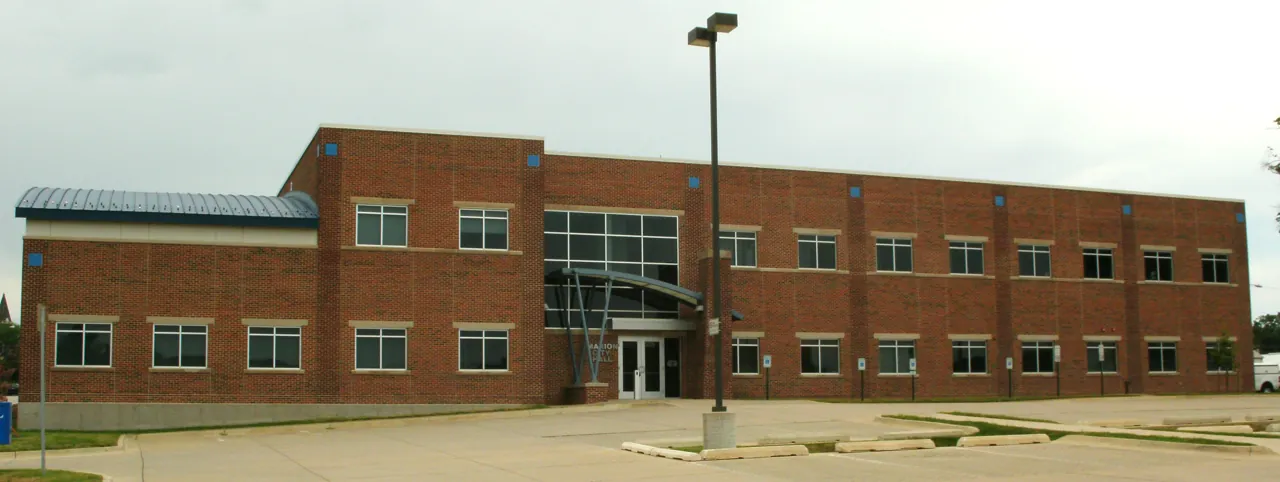
Marion is an eastern Iowa city in Linn County, directly adjacent to Cedar Rapids. Many Marion residents commute into Cedar Rapids for work, making their vehicles essential daily tools. Reviewing car insurance after a severe storm or when replacing a vehicle is one of the most practical steps a Marion household can take to avoid gaps in protection.
Most Marion drivers satisfy Iowa financial-responsibility requirements with auto liability insurance. Under §321A.21, minimum limits are $20,000 bodily injury per person, $40,000 bodily injury per accident and $15,000 property damage per accident. Those limits cap insurance payments, not the responsible driver’s potential obligation. Compare higher limits against your budget and financial exposure.
This article is informational only and does not constitute legal advice. Policy language and insurer underwriting rules control what is and is not covered.
Liability, Comprehensive and Collision Coverage Explained
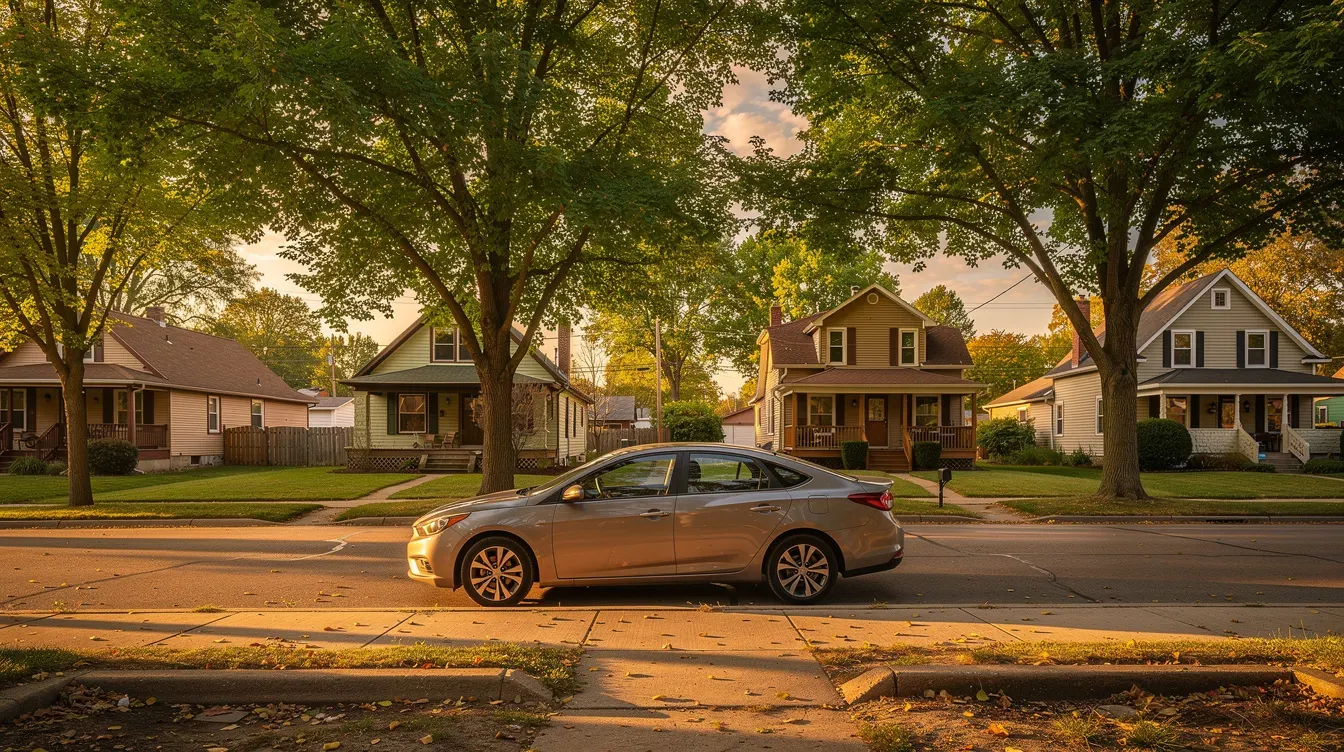
Marion drivers face a range of everyday risks, from fender-benders on Highway 13 to hail rolling through on a July afternoon. Most auto insurance policies offer liability, comprehensive, and collision coverage, and understanding what each does helps you choose coverage that fits your life.
Liability coverage pays for injuries and property damage you cause to others. If you rear-end another driver at an intersection near Uptown Marion, your bodily injury liability helps cover their medical costs, and your property damage liability helps cover repairs to their vehicle or other property. Liability does not pay for your own injuries or your own car.
Comprehensive coverage protects your vehicle from non-collision events: hail dents, falling tree limbs, wind-driven debris, theft or vandalism. Given Linn County’s exposure to severe thunderstorms and straight-line winds, comprehensive coverage is relevant for drivers who want to protect their vehicle’s value against weather they cannot control.
Collision coverage applies when your vehicle hits another car, strikes an object or overturns. Collision insurance is a common addition to basic liability coverage. Collision coverage is not required by Iowa law, but many drivers in Iowa opt for collision coverage because it protects against vehicle damage or total loss. Lenders on financed or leased vehicles almost always require it. There are multiple types of collision coverage options available, so reviewing the terms of your specific policy matters.
For a covered repairable loss, payment is generally based on eligible repair costs and policy terms, less the deductible; a total loss is commonly based on actual cash value unless special coverage applies. In a simplified hypothetical covered $3,000 repair with a $500 deductible, the payment would be $2,500 before any other adjustments.
Severe Weather Damage in Marion: Safety and Documentation First
The City of Marion storm-response resource documents past storm recovery. It provides local context for preparation; it is not evidence of a current emergency or an active assistance program. For current conditions and instructions, check the city’s latest notices.
After storm damage, safety comes first:
-
Check yourself and passengers for injuries.
-
Stay away from downed power lines and unstable trees.
-
Do not attempt to start or move a flooded vehicle.
Once you are safe, document the damage before anything is moved or repaired:
-
Take wide-angle and close-up photos of hail dents, cracked glass, interior water damage and nearby debris.
-
Write down the date, approximate time and location (for instance, a parking lot near Thomas Park or a neighborhood off 7th Avenue).
-
Keep all notes and images organized for your insurer.
Contact your insurer or agent before arranging major repairs, glass replacement or body work. The company may need to confirm coverage details, assign an adjuster or inspect the vehicle before work begins. Auto glass coverage protects against damage to vehicle windows and is sometimes included or available as an add-on, so ask about it specifically if your windshield or windows were hit.
Comparing Deductibles and Estimated Covered Losses
After a storm or accident, weigh the cost of repairs against your comprehensive or collision deductible before filing a claim.
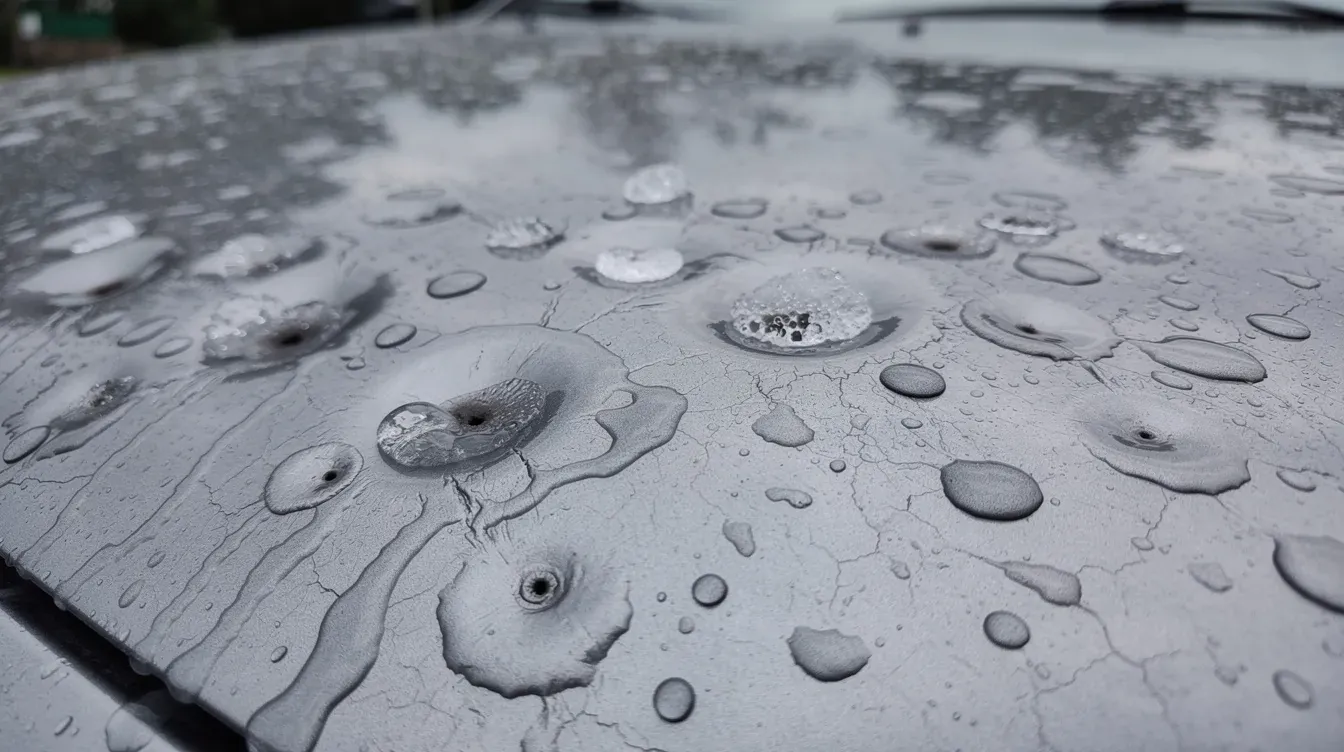
Hypothetical example: A Marion driver carries comprehensive coverage with a $500 deductible. A body shop estimates hail damage repairs at $900. Assuming coverage applies and no other adjustments are needed, the payment would be $400 ($900 minus $500). If the estimate were $400, the damage falls below the deductible; the insurer pays nothing, yet the claim could still appear on the driver’s record and affect future premiums.
Raising deductibles can lower your monthly car insurance premium, but it increases what you pay out of pocket at claim time. After a loss, revisit whether that trade-off still works for your budget. Check coverage limits and deductibles to ensure accurate price comparisons when shopping for a new policy or adjusting your current one.
For an older vehicle, compare the premium, deductible, vehicle value and your ability to replace it yourself. Consider lender obligations and the different losses covered before removing comprehensive or collision; there is no universal vehicle-value threshold.
A conversation with IowaCarInsurance.com can help you compare options for adjusting deductibles or coverages going forward.
Coverage Cannot Be Added Retroactively After a Known Loss
A common misunderstanding: adding comprehensive or collision coverage after hail or a crash and expecting the prior damage to be covered. Insurers do not provide retroactive coverage for losses that already occurred or that the policyholder knew about before requesting the change.
Hypothetical example: A Marion driver carries only liability coverage during a July hailstorm. The next day, they call to add comprehensive. The insurer will not cover the hail damage from the previous day because the loss predates the coverage effective date.
Choose your coverage levels before a claim event, not in response to one. Review your policy annually or when life changes happen: a new job in Cedar Rapids, a teen driver added to the household, a vehicle paid off. Each of these can shift your insurance needs and may reveal gaps you did not notice before.
Replacing a Damaged Vehicle in Marion: Updating Your Policy
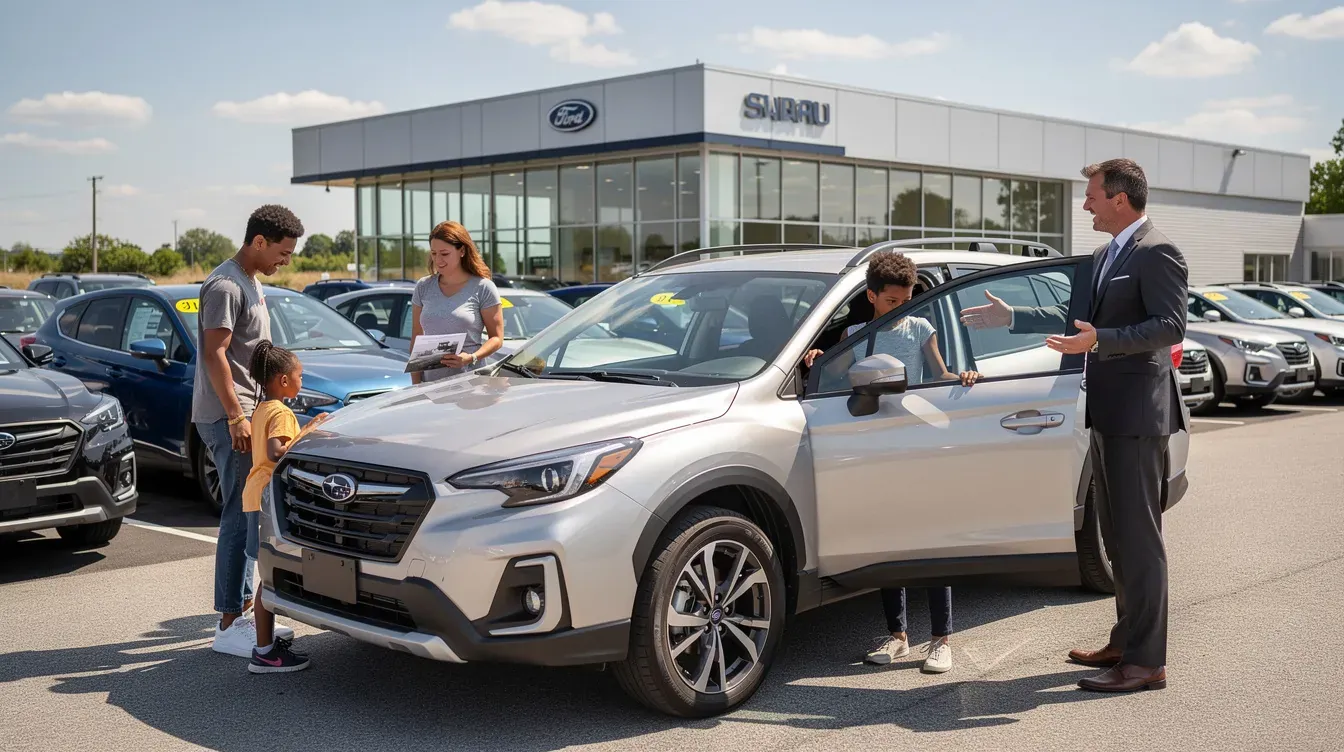
When a Marion family decides to replace an older car after storm damage or a collision, the insurance policy must be updated promptly. Many auto insurance policies provide a short automatic coverage window for a newly acquired replacement vehicle, but the number of days and the scope of coverage vary by company and policy form. Do not assume that window is open-ended.
Practical steps when buying a replacement vehicle in Marion or nearby Cedar Rapids:
-
Contact your agent or insurer with the new vehicle’s VIN, make, model and purchase date.
-
Confirm the garaging address (where the car will be kept overnight in Marion).
-
Provide lender or lease information if the vehicle is financed.
-
Verify that comprehensive and collision coverage meet the lender’s requirements, including any specific deductible limits.
-
Confirm the effective date for all coverages on the new vehicle so there is no uninsured period.
Lenders usually require proof of insurance before you drive off the lot. Have your agent’s phone number ready at the dealership.
Household Example: A Marion Family Replaces a Storm-Damaged Car
This is a hypothetical example for illustration only.
The Kowalski family lives in Marion: two adults commuting to offices in Cedar Rapids and a teenager attending Linn-Mar High School. They own a paid-off 2012 sedan and a 2020 SUV.
A July hailstorm dents the sedan’s roof, hood and trunk. They review their comprehensive coverage and find a $500 deductible. The body shop estimate is $2,800. Assuming the repair is covered and no other adjustments apply, subtracting the $500 deductible gives a $2,300 payment; this example does not predict a real claim. The family decides to replace the car rather than repair it.
They purchase a 2019 crossover from a Cedar Rapids dealership, financing $16,000 through their credit union. Before leaving the lot, they call their agent to:
-
Add the new VIN to the policy.
-
List the credit union as lienholder.
-
Confirm the garaging address as their Marion home.
-
Add comprehensive and collision coverage with deductibles that satisfy the lender.
The hypothetical family also compares higher liability limits, rental reimbursement and roadside assistance. Each optional benefit has limits and conditions. Ask how a covered loss involving installed safety equipment is handled; do not assume a generic “electronics coverage” product is included or available.
An IowaCarInsurance.com agent walks them through timelines, coverage options and how their premium might change, without quoting a locked-in rate over the phone.
Commuting Between Marion and Cedar Rapids: Garaging and Usage Details
Many Marion residents work, shop or attend events in Cedar Rapids. Accurate commute and garaging information on your auto insurance application matters because insurers use it to determine risk and rating.
“Garaging address” means the location where the vehicle is normally kept overnight. If your car sleeps in your Marion driveway, that is your garaging address, even if you spend eight hours a day parked in downtown Cedar Rapids. Commuting distance, days driven per week and whether you use the vehicle for business all factor into eligibility and pricing. Understanding your driving history can help estimate your premium rates as well.
Giving complete, accurate information about who drives the car, where it is kept and how it is used protects you at claim time. Inaccurate details can lead to coverage disputes. If your job location, school or garaging address changes, notify your agent so the policy stays current. Discounts may be available for safe driving and low-mileage drivers, so reporting reduced commutes can sometimes work in your favor.
Uninsured/Underinsured Motorist and Iowa-Specific Considerations
Marion drivers who carry only the minimum liability policy leave themselves exposed if they are hit by someone with no insurance or insufficient coverage. Uninsured and underinsured motorist (UM/UIM) coverage fills that gap by helping pay for your injuries up to your policy limits.
In Iowa, insurers must include UM/UIM coverage in every auto liability policy unless the named insured rejects it in writing using a specific rejection form, per Iowa Code § 516A.1. This is not legal advice; consult your policy and an attorney for questions about your specific situation.
Other options Marion households often review include:
-
Medical payments coverage: helps pay medical bills for you and your passengers regardless of fault.
-
Towing and labor: covers the cost of a tow and basic roadside labor.
-
Rental reimbursement: pays for a rental car while your vehicle is being repaired after a covered claim.
Bundling home and auto insurance can lead to discounts, and property insurance conversations often happen alongside auto reviews. Ask questions about these choices when you request a quote so your policy fits your family’s finances, health insurance situation and driving patterns.
Working With IowaCarInsurance.com for Marion Auto Insurance
IowaCarInsurance.com is the Iowa-focused website of Drivers Insurance Agency, Inc., serving Marion households by phone at (844) 425-1313 and online. Serving the city does not imply a physical Marion office. Ask about available insurers and policy options for the household’s circumstances.
Typical service includes reviewing current liability, comprehensive and collision coverage; checking deductibles against your vehicle’s value; and discussing how a new car, a Cedar Rapids job commute or a teen driver may affect your coverage needs. To find affordable car insurance, compare quotes from multiple providers and verify the insurer’s reputation before making a purchase decision. Use online comparison tools to gather quotes from multiple insurers, and visit the quote request page to start.
A quote is an estimate based on the information you provide and does not bind coverage. Coverage begins only when confirmed by the insurer with effective dates and specific terms. For a broader look at Iowa requirements, visit the statewide minimum limits guide.
Frequently Asked Questions
These answers address common Marion car insurance questions. Individual policies and insurer rules vary; contact your agent for guidance specific to your situation.
Do I need more than Iowa’s minimum liability limits for driving in Marion?
Iowa law allows the 20/40/15 minimum, but many Marion households choose higher limits such as 100/300/100 to protect assets, wages and savings from large injury or property claims. Commuters, multi-vehicle families and homeowners face greater financial exposure, making higher limits worth reviewing. There is no single “right” amount for every person; the goal is to match your level of protection to what you could lose.
What should I do before filing a hail or storm claim on my car in Marion?
Ensure personal safety, then document the damage with clear photos from multiple angles. Review your deductible and confirm you carry comprehensive coverage. Get a written repair estimate so you can determine whether the damage is well above your deductible. Contact your insurer or agent before authorizing major work so they can confirm any inspection requirements.
How quickly must I add my replacement vehicle to my policy?
Many policies provide automatic temporary coverage for a newly acquired replacement car, but the time window and terms vary by insurer and policy form. Contact your agent as soon as possible; ideally before driving home from the dealership. Provide the VIN, purchase date and lender details so coverage is confirmed without a gap.
Does commuting from Marion to Cedar Rapids change my car insurance?
Insurers ask whether a vehicle is used for commuting, how many miles and how many days per week. Changes to these details can affect your rating or eligibility. If you start a new Cedar Rapids job or begin regular long-distance commuting, update your policy so records stay accurate and you avoid problems at claim time.
Can IowaCarInsurance.com help if I’ve had tickets, accidents or a lapse in coverage?
Available options depend on the insurer and driving history. If Iowa DOT requires an SR-22, its guidance describes two years from the first day of suspension or revocation. Follow your individual notice and other reinstatement conditions. Call (844) 425-1313 or use the quote page to discuss options.
Related Iowa city guides
The Cedar Rapids guide expands on outdoor parking losses; the Iowa City guide covers student and shared-car arrangements. Browse the Iowa city directory for all city guides.